Jai-Alai: Rise and Fall Posted on April 25, 2026 at 02:00:16 PM by Tiger
A rather odd article ... why now?
Story by
Jai Alai, the rise and fall of the world’s fastest game Sat, April 25, 2026 at 10:54 AM EDT·
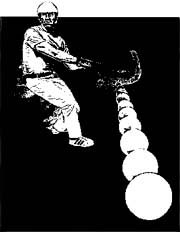
Jai Alai is one of the fastest and most visually striking sports in the world, once dominating the entertainment scene in Miami during the mid twentieth century. Originating from regions of Spain and France, the sport made its way to Miami in 1924 and quickly became a sensation. Played using a curved basket called a cesta, athletes hurl a ball at incredible speeds, often reaching up to 170 miles per hour, making it both thrilling and dangerous. During its peak in the 1940s and 1950s, Jai Alai was more than just a sport, it was a glamorous social event where thousands gathered not only to watch but also to be seen. Crowds of over ten thousand people would fill arenas, drawn by the combination of athletic skill, nightlife, and high energy atmosphere. Legendary players like Benny Bueno became icons, admired for their precision and control in a game that required both finesse and speed. The excitement was unmatched, with the sound of the ball striking the wall echoing through packed venues. However, as the years passed, the popularity of Jai Alai began to decline. Changing entertainment preferences, combined with shifting cultural interests, slowly reduced its audience. What was once a central part of Miami’s identity started to fade, leaving behind a legacy that still resonates with those who experienced its golden era and remember its energy.
The decline of Jai Alai was not caused by a single factor but rather a series of events that gradually weakened its foundation. One major influence was the introduction of gambling, which initially helped the sport grow but later shifted focus away from athletic performance and toward betting. Over time, venues transformed into casinos where Jai Alai became secondary to other forms of entertainment. Additionally, the sport faced serious setbacks, including the 1981 assassination of a key figure linked to organised crime, which damaged its public image. This association created lasting negative perceptions that were difficult to overcome. The situation worsened in 1988 when a lengthy player strike disrupted the sport for several years, further reducing its audience and momentum. Despite these challenges, dedicated players and enthusiasts have continued to support Jai Alai, striving to keep the tradition alive. Today, matches may attract smaller crowds, but the passion remains unchanged among those who play and follow the sport. For many, Jai Alai is more than a game, it is a cultural heritage that represents skill, history, and resilience. Its story serves as a reminder of how even the most celebrated traditions can fade, yet still endure.
 Tiger's Jai-Alai Chalk Talk